Redesign Your Space: The Complete Guide to Decorative Concrete Solutions
Decorative concrete has emerged as a preferred option for enhancing residential and commercial spaces. Its capacity to emulate natural materials, paired with a range of adjustable features, makes it a practical solution. Homeowners and designers alike appreciate its durability and low maintenance. Yet, the full scope of its potential often goes unrecognized. Exploring the various uses and methods could uncover transformative possibilities for any environment. What might these solutions involve?
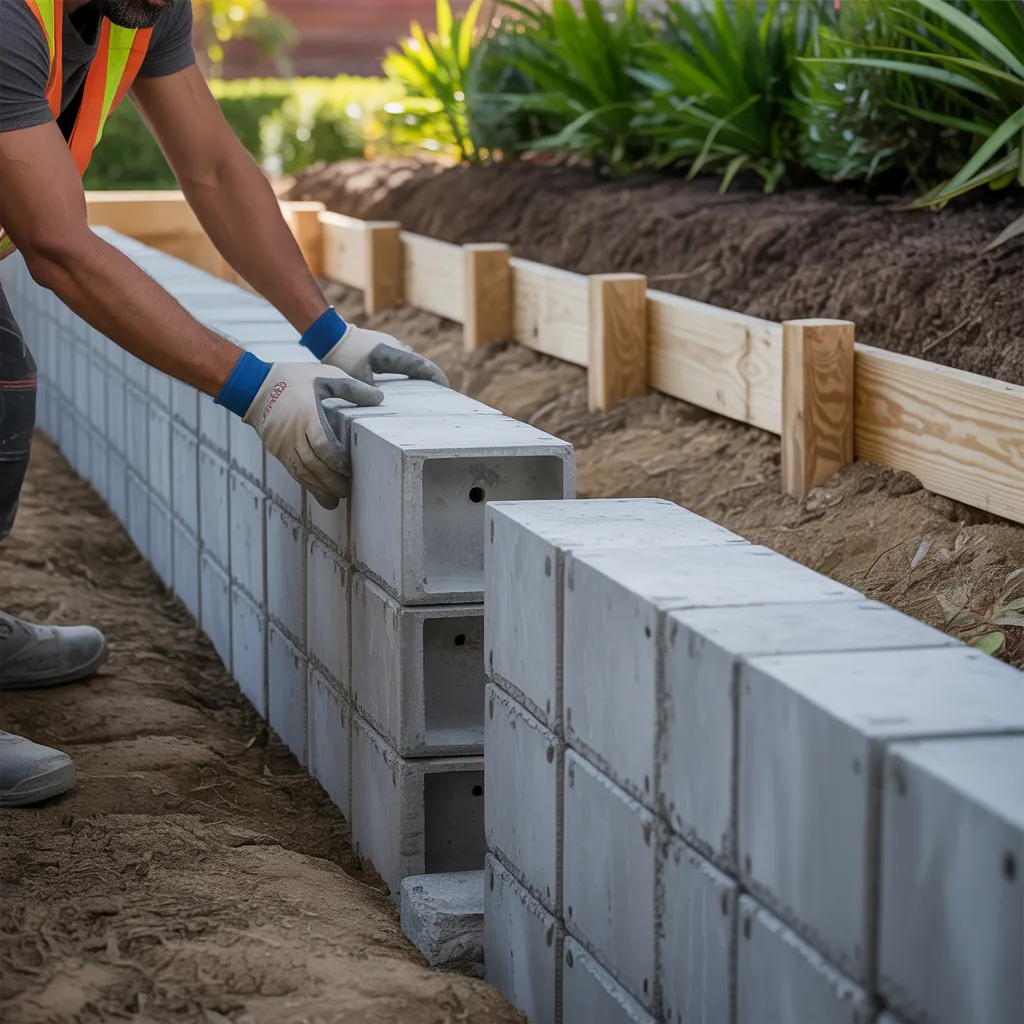
Why Go with Decorative Concrete for Your Home?
When property owners seek to enhance their home environments, ornamental concrete often becomes a attractive option. This versatile material offers a distinctive combination of aesthetics and functionality, making it suitable for various uses both indoors and outdoors. One of its main benefits is the capacity to replicate natural materials, such as stone or wood, while retaining durability and low maintenance.
Additionally, decorative concrete can be adapted with colors, patterns, and textures, giving homeowners to display their individual taste. Its strength in weathering and wear prolongs durability, making it a prudent investment for those wanting to better their residence.
In addition, decorative concrete can provide economical options for revitalizing current surfaces, eradicating the requirement for expensive replacements. As a result, it proves itself as a practical selection for individuals seeking to elevate their property's visual attractiveness without sacrificing durability or maintenance.
Practical Ways to Use Decorative Concrete
Decorative concrete has numerous practical uses, making it a versatile choice for homeowners. This material type can boost both indoor and outdoor spaces, offering aesthetic appeal and functionality. For driveways and patios, decorative concrete can be etched or stained to mirror natural stone or brick, creating a stylish touch while ensuring durability. In gardens, decorative concrete curbing provides a clean, defined edge that complements landscaping efforts.
Inside the residence, polished concrete floors are growing in demand for their sleek appearance and minimal upkeep needs. Decorative concrete can also be employed in counter surfaces, providing a unique surface that can be tailored with different hues and patterns. Outdoor fireplaces and outdoor kitchen areas benefit from decorative concrete for both structural integrity and visual interest. By integrating decorative concrete into different elements of home design, homeowners can attain a unified appearance that enhances their living spaces.
Preparing Your Surface for Decorative Concrete
Incorporating ornamental concrete to your residential aesthetic requires meticulous surface preparation to ensure ideal outcomes. The opening stage entails extensively scrubbing the area, taking out any grime, grease, or debris that may impede bonding. Power washing is frequently effective for exterior surfaces, while indoor spaces may need brushing and vacuuming.
Following that, determining the condition of the existing concrete is critical. Breaks and irregularities should be repaired using correct fillers to create a smooth base. If the surface is uneven, grinding and leveling solutions may be necessary to obtain the preferred flatness.
Finally, applying a primer can enhance bonding between the current concrete surface and the decorative layer, ensuring long-term performance and strength. By adhering to these preparation procedures, property owners can create an excellent foundation for their decorative concrete projects, ensuring a stunning and lasting finish that transforms their space.
Top Methods for Stunning Aesthetic Concrete Treatments
A assortment of techniques can transform plain concrete into visually striking surfaces, enhancing both decorative value and performance. One widely-used method is staining, which soaks into the concrete to produce deep, lively hues that replicate natural stone. Another technique, stamping, involves embedding molds into wet concrete to reproduce textures like brick or slate, providing an elegant finish.
Polishing is also becoming popular, offering a smooth, shiny start now look while improving durability. For those looking for a more creative touch, decorative overlays can add intricate patterns or designs, giving concrete a unique flair.
Ultimately, engraving permits intricate patterns to be carved into the surface, generating bespoke artistic works. Each of these techniques not only enhances concrete but also extends its lifespan, making aesthetic concrete a adaptable solution for various applications.
What Budget Do You Need for Aesthetic Concrete?
Decorative concrete approaches enhance both the visual appeal and strength of surfaces, but understanding the financial implications is critical for homeowners and contractors alike. Budgeting for decorative concrete encompasses several factors, such as materials, labor, and project scope. On average, costs can range from $3 to $12 per square foot, depending on the complexity of the design and the type of finish chosen.
Basic staining or stamping tends to be more affordable, while intricate designs or specialty finishes may increase costs considerably. Additionally, homeowners should think about potential extra expenses, such as ground readiness and sealant application.
It's recommended to collect multiple quotes from reputable contractors to ensure a favorable rate. Budgeting that provides for both anticipated and unanticipated expenses will deliver a completed undertaking, ultimately enhancing the aesthetic appeal and functionality of the space.
Extending Your Attractive Concrete's Service Life
Keeping decorative concrete in good condition is vital for preserving its durability and aesthetic appeal throughout time. Consistent cleaning routines, effective sealing techniques, and timely repairs of surface damage serve key functions in this maintenance. Learning these aspects can substantially increase the longevity of decorative concrete applications.
Regular Cleaning Methods
To preserve the beauty and integrity of decorative concrete, frequent cleaning routines are necessary. Routine maintenance not just enhances the appearance but also extends the lifespan of the surface. Sweeping or a leaf blower removes dirt and debris, stopping stains and damage. For a deeper clean, a mild detergent mixed with water is useful in getting rid of stubborn stains. It is important to avoid harsh chemicals that can erode the finish. Pressure washing can be beneficial for larger areas, but attention should be given to adjust the pressure to avoid hurting the surface. Regular inspections should be conducted to locate any areas needing special care, ensuring the decorative concrete remains both functional and aesthetically pleasing over time.
Sealing Approaches Clarified
Routine cleaning sets the stage for effective sealing methods, which are vital in extending the lifespan of decorative concrete. Proper sealing prevents moisture infiltration, reducing the risk of damage from freeze-thaw cycles and chemical exposure. Various sealers are on the market, including infiltrating, topical, and hybrid options, each offering unique advantages. Penetrating sealers absorb into the concrete, providing a true finish, while topical sealers apply a protective layer on the surface, improving appearance and shine. Regular reapplication is necessary, usually every one to three years, depending on climate and traffic intensity. By employing the correct sealing techniques, property owners can preserve their investment, ensuring decorative concrete remains both useful and visually pleasing for years ahead.
Repairing Surface Issues
Common fixing techniques include sealing fractures with epoxy and polymer materials, which adhere strongly to the substrate. For extensive deterioration, resurfacing with a decorative overlay can restore the appearance while offering durability. Consistent upkeep, such as cleaning and resealing, is crucial to prevent wear. By prioritizing repairs, homeowners can ensure their decorative concrete stays vibrant and durable for many years ahead.
Encouraging Decorative Concrete Undertaking Showcases
Decorative concrete has transformed countless spaces, exhibiting its versatility and aesthetic appeal. One outstanding project contains a residential patio, where stamped concrete imitates natural stone, affording an elegant outdoor setting. This design not only strengthens the visual appeal but also enhances the property's value.
Within business establishments, a downtown café integrated colored concrete for its flooring, combining functionality with style. The bright tones generate a welcoming atmosphere, bringing in customers while preserving durability.
Yet another inspiring case is a community green space displaying decorative concrete benches and walkways that integrate artistic patterns. This deliberate design elevates the shared area, prompting visitors to remain and relish their surroundings.
Furthermore, many property owners are opting for decorative overlays on their driveways, enabling personalized designs that shine in the neighborhood. These examples illustrate the unlimited options that decorative concrete offers, making it a preferred choice for both commercial and residential projects.
Often Questioned Topics
Is It Better to Set Decorative Concrete Myself or Retain a Skilled Professional?
One can apply ornamental concrete on your own, as long as they possess the necessary skills and tools. However, hiring a professional often guarantees a higher quality finish and compliance with safety standards, making it a safer choice for many.
What Options of Aesthetic Concrete Finishes Are Accessible?
Numerous concrete design patterns comprise stamped, stained, polished, and engraved designs. Each delivers unique aesthetic appeal, permitting tailoring in residential and commercial spaces, improving visual interest while supplying resilient, useful surfaces.
How extended Does Artistic Concrete Endure?
Decorative concrete typically lasts 20 to 30 years, subject to considerations including installation quality, maintenance, and climate factors. Routine maintenance and sealing can lengthen its longevity, providing both visual appeal and durability over time.
Can Artistic Concrete Work Effectively in Outdoor Settings?
Decorative concrete is indeed suitable for outdoor use. Its strength, weatherproofing capabilities, and variety of finishes make it an outstanding choice for patios, driveways, and pathways, providing both practicality and visual charm.
Can Ornamental Concrete Be Repaired if Damaged?
Yes, ornamental concrete can be fixed if harmed. Various methods, such as filling and refinishing, can restore its appearance and functionality, ensuring durability and extending the longevity of the finish. Regular upkeep helps avoiding additional problems.
Comments on “Highly Rated Concrete Design Services in Randolph”